
How To Make Your Heat Pump Work Better In Winter?
Heat pumps are considered efficient and convenient in winter. But if you want to get the most out of your heat pump, use these tips. Moreover, if it causes problems, avoid DIY repairs and hire a heat pump repair expert.
Clean The Air Filter
Whatever you aim to achieve when it comes to air conditioning, be it improved efficiency, lower energy bills, or anything else, air filter cleaning is a must. It traps dust and debris to keep the system clean and so the indoor air.
An HVAC air filter is located in the vent or the air handler unit or the ceiling vents. In ductless heat pumps, air filters are inside the wall-mounted unit. You should check it every month and if the filter is looking dirty with a layer of dust on it, go ahead and clean it with a vacuum or with warm water and a mild detergent.
Washable air filters can last from 3 to 12 months while you need to replace disposable filters when they get clogged. To avoid problems, don’t wait for the signs to show up and clean the air filter frequently.
Set The Temperature Smartly
It helps a heat pump if you keep a stable temperature setting when at home and then choose another temperature setting for the hours when you’re away. A good at-home temperature is 68°F (20°C). You can set it to be at 62°F (17°C) when you’re away. This will keep the house warm and also won’t put a lot of stress on the unit. You can install a programmable thermostat to adjust temperatures automatically according to your schedule.
Plus, avoid changing the temperature settings too frequently. Keep them at a nominal above mentioned level and let it be. Cranking up the heat may feel good, but it will only damage the heat pump over time and also increase the heating costs.
Protect The Outdoor Unit From Snow
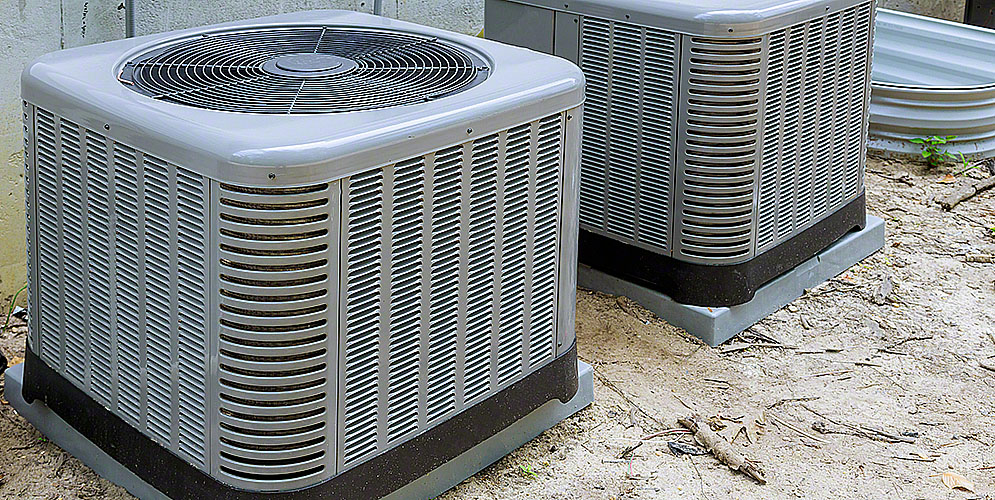
The outdoor unit or condenser unit is located outside and it has vital components like the compressor, condenser coil, condenser fan, and motor. If there is snow or anything else covering the unit, the heat pump may not heat properly and over time, it can lead to component failures whether you have a ducted heat pump or a mini-split unit.
So, you should first make sure to install it in a shade. Also, install the unit a foot or two elevated from the ground. If not, remove snow every day from the unit and keep 2-feet clearance all around the unit so it can function without problems. Plus, avoid pouring hot water to defrost the outdoor unit as it can damage the components.
Make Sure The Heat Pump Is Defrosting
Removing snow from the outdoor unit and installing it in shade is a good practice, but the heat pump must defrost automatically for regular ice buildup as well.
Most heat pumps check for frost or defrost once every 30-90 minutes. A thin layer of ice on the outdoor unit is normal, but if you see a thick layer (more than 1/4 inch) or the unit is covered in ice, the heat pump is not defrosting.
There is no DIY way of removing ice buildup from the outdoor unit if it’s not defrosting, as you can only clear the snow from its surroundings. You should switch to emergency heat and let the ice melt naturally if it’s a sunny day. But don’t use sharp objects for removing ice or snow.
However, if this problem keeps occurring, consult HVAC companies Huntington so an expert can diagnose why the unit is not defrosting or why ice is building up too quickly. Common problems can be a faulty defrost control board, a bad defrost sensor, thermostat issues, a blocked condenser coil, a faulty timer, a malfunctioning fan motor, a refrigerant leak, etc.
Don’t Ignore Insulation
When ensuring better heating (or cooling), many people ignore the role of insulation. Proper insulation is critical because it will help your heat pump maintain the indoor temperatures more easily. This has numerous benefits as the heat pump will be efficient and work well for longer.
So, seal air leaks by weatherstripping doors, windows, and other areas. Install draft stoppers under the doors and also install heavy curtains for retaining heat.
Plus, insulate the attic or the attic stairway, basement, pipes, and ducts. Moreover, if your home insulation is older than 15-20 years, schedule an insulation inspection.
Keep The Vents Open And Unobstructed
Some people think that closing the vents of unused rooms may improve heating in other rooms, but it doesn’t. In reality, it’s bad for your heat pumps and ductwork.
If the vents are closed or obstructed by furniture or curtains, it may create pressure inside the ducts and might lead to leaks. It can also put more stress on the heat pump leading to components like the compressor malfunctioning. If you have unused rooms, slightly close the vents or consider a zoning system.
Install A Zoning System
An HVAC zoning system divides a house or building into different zones with their own temperature controls. So, you can set up a different temperature for each zone. You can let unused rooms be set at a lower temperature, while the occupied rooms’ temperatures could be set higher. It improves heat pump efficiency, gives you extra control, and makes heat pump performance better because it’s not heating the entire house most of the time.
Zoning installation cost depends on the number of zones you want. It increases with each zone. Commonly, 2-3 zones are installed.
Schedule Heat Pump Service Twice A Year
Heat pumps and HVAC systems need to be serviced at least once a year. However, if you want your heat pump performance and efficiency to be better, consider bi-annual heat pump service.
A tune-up includes a full HVAC inspection, including the ducts and the thermostat. The experts can find problems and fix them before they damage the components and the unit, and impact the heating and cooling ability of the system. So, never skip it.
Use Auto Fan Setting
Auto and On are the two fan settings. Auto means that the fan runs only when the heat pump cycles on and starts heating and then the fan turns off when the heat pump cycles off. Whereas when you set the fan to On, it will constantly run 24/7.
Auto fan setting is the recommended option because it’s energy efficient, quieter, less drafty, and less stressful for the heat pump, even though it’s not the best when it comes to maximum comfort. So, you should use this setting, but if you notice cold spots and want better indoor air quality, switch the fan to On.
If you have a newer or a smart thermostat, it may have the option of scheduling the fan to run for a certain amount of time. For example, you can set it to run the fan continuously for 20 minutes every 60 minutes. This will prevent cold spots and improve the IAQ, and also be energy efficient and less hectic for the heat pump.
Look Out For Problems
When there is an issue with the heat pump, it may tell you with various kinds of signs, so stay alert to notice them and fix them quickly before they cause the heat pump to break down on a freezing night.
Look for these signs: uneven heating, strange noises coming from the outdoor unit or the ducts, an iced-up outdoor unit, hot and cold spots, poor airflow, unexpectedly high energy bills, and a heat pump running constantly or cycling on and off constantly. Upon noticing any of these red flags, have an expert inspect the HVAC system.
Conclusion
To make the most of your heat pump in winter, you have to maintain it well, follow good usage practices, keep an eye on unusual signs, and hire heat pump repair services Port Jefferson for professional maintenance and inspections.